



Why Hilton, Marriott, IHG and United Airlines Are All Launching Points Earning Debit Cards in the UK

United Airlines and IHG (the hotel group behind Intercontinental, Holiday Inn, and Six Senses) are both launching new cards in the UK, exciting! Full details on earning rates and annual fees are still to come, so once we hear about the actual important details, we of course will give you the full write-up. But one thing is clear about these cards, they're both debit cards.
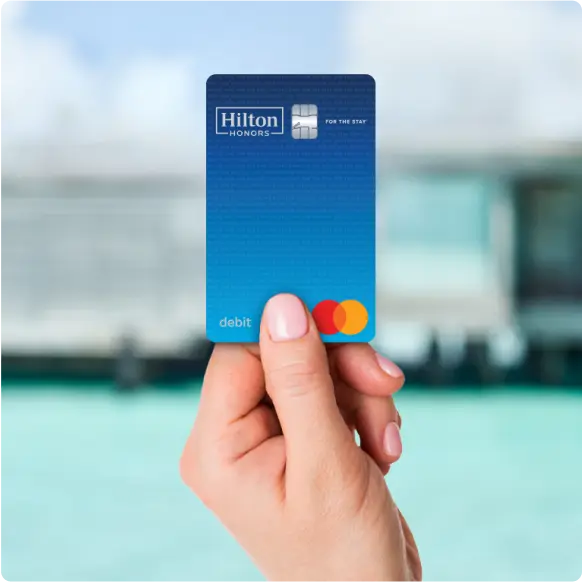
That might sound like a footnote. But I don't think it is. United and IHG are joining Hilton, and Marriott Bonvoy, in choosing the debit card route for the UK market. Hilton was first out of the blocks, followed by Marriott a year later, both launching cards with Currensea. A couple of weeks ago, IHG announced during an earning's call that they have struck a deal with Revolut to launch a debit card later this year.
Overall, four major travel loyalty programmes have launched new cards. None of them credit.
This is not a coincidence, as there are some specific reasons why some of the biggest names are turning away from credit cards in the UK. This will be a deeper dive than you may expect from us, but I think it gives important insight as to where the winds may be blowing.

The regulatory hurdle
Launching a credit card in the UK is difficult, in a way that launching a debit card is not.
In the UK, credit cards are consumer credit products. This means they sit under a whole layer of regulation that governs how they can be sold and promoted. Think of it like the rules around selling a mortgage or a loan, just applied to plastic. There are strict requirements around advertising, mandatory disclosures, and this part is important, who is actually allowed to recommend the product and in what context.
What this means, is that an email from your favourite loyalty programme can't promote a credit card in the same way it would a seat sale or a bonus miles offer. A brand's own app can't just drop in a card recommendation without satisfying the regulatory processes sitting behind it. Every time a credit card is sold or meaningfully promoted, there's regulation that has to be adhered to.
Are you following us social media? If not, why not! Go drop us a follow on Instagram, Facebook, and TikTok so that you never miss any of your favourite content!
A debit card sits in a different category as it's a payment product, not a credit one, meaning that the rules around promoting it are far lighter. That means Hilton can mention its debit card at check-in. United Airlines can promote it through the MileagePlus app. Marriott can push it via loyalty emails, or through its own website, in the same breath as a hotel offer. For a global travel brand with millions customers in its database, the ease to which they can communicate these products is a huge benefit. You can sell the card everywhere you already talk to customers, rather than having to build a whole separate regulated sales operation.
No hard credit check, no barriers
The second reason is access. Credit cards require lenders to carry out a creditworthiness assessment. By doing so, this typically leaves a footprint on your file and can result in outright rejection if your score isn't strong enough. This cuts out a significant portion of the population who may have thin credit files, those who've had historic difficulties, young people who simply haven't built up a record yet, and people who prefer to live within their means and therefore haven't needed credit.
Currensea's debit cards just need you to have a UK current account and no active County Court Judgements. There's no hard credit check, no footprint on your file. It means that a debit card is accessible to loyalty programme members who'd be declined for a credit card, which in turn gives the brand access to a wider pool of potential cardholders.
The infrastructure advantage: Currensea and Revolut
The third reason is how much simpler and cheaper these cards are to actually build. Setting up a credit card programme means finding someone willing to lend money to your customers, managing the risk of people not paying it back, and dealing with all the regulatory complexity that comes with offering consumer credit. It's expensive, slow, and has always been part of why the UK's co-branded credit card market is so thin compared to the US.
(Side note: You may find our article on why do Americans always get the good points deals interesting)
Debit is a different because cardholders spend money they already have, as the transaction is pulled directly from their existing bank account via Open Banking, the same technology that allows you to send round-ups to your Moneybox account. This means there's no lending involved, no bad debt, and no need for a banking partner willing to take on credit risk. Currensea has already built the underlying infrastructure. A brand like Hilton or United Airlines essentially plugs into it, sets up the earning rates and benefits, and goes to market. No credit product, no credit risk, much faster and cheaper to launch.
Revolut is doing something similar with IHG. But the principle is still the same, Revolut provides the infrastructure, IHG provides the loyalty brand.
Who is the audience of these cards?
These are cards are not really trying to compete with premium Amex's.
The earning rates are typically lower than what you'd get from a top-tier rewards credit card, and you give up some consumer protection you'd get on purchases over £100.
But there are three groups where these debit cards do make sense.
The first is anyone who can't or doesn't want a credit card. That's a larger group than the points community sometimes acknowledges. We hear from our readership a hesitancy towards credit cards, but this also extends to people with imperfect credit histories, and those on lower incomes who don't meet credit card eligibility thresholds. For all of them, a debit card that earns points is something that simply didn't exist before.
The second is anyone spending significant amounts overseas. Most points earning credit cards still charge 2.99% on foreign currency transactions. Currensea's cards cap out at 0.5% on their Marriott branded cards, or even 0% on the Hilton Honors Plus card. For people spending thousands abroad, being able to earn loyalty points on top is a great bonus. I took out the Hilton Honors Plus debit card for this very reason during a period of high travel.
The third is existing loyalty programme members. Take the Marriott Bonvoy debit cards, they earn Elite Night Credits and well as Bonvoy points. Elite Night Credits essentially work in the same way that Tier Points work for British Airways, they recognise someone's loyalty. Well, loyalty is now demonstrated in how many financial products you take from that brand too. United Airlines have just changed their MileagePlus scheme and now give people who hold one of their cards more points for flying with them, regardless of what card they booked their flight with. These cards are for those points addicts who are already engaged with a particular programme.
Points earning debit cards are here to stay
In the space of roughly 18 months, the UK has gone from having no co-branded travel debit cards to having cards from Hilton, Marriott, United Airlines, and IHG.
The brands driving this have looked clearly at what it takes to launch a credit card in the UK and decided that it's just too expensive and burdensome. So, why not launch a debit card on the back of Currensea or Revolut's hard work.
The next question is who follows. Lufthansa have been teasing for years that they would be reintroducing the UK card space since pulling out in April 2021. Who knows.
But it seems like points earning debit cards are here to stay.
Sam
Points Well Made is a passion project of Sam and Helena with a loyal following. If you like what we do, and wish to help us continue to create the content you love, please consider buying us a Kofi, or subscribing monthly. Your help is greatly appreciated. Thank you.


Comments